Doujen Moe: Meaning, Origin & Is It Safe?
Introduction
If you have searched for Doujen Moe, you have probably noticed that no two websites explain it the same way. Some call it a creative movement, some call it an art style, and others connect it to an old website.
The truth is simpler and more useful: Doujen Moe is not an official brand or an established genre. It is an informal, often misspelled search phrase built from two real Japanese pop culture terms, doujin and moe.
This guide explains both words clearly, shows why the phrase is confusing, and tells you how to explore this culture safely and legally.
Quick Answer: What Does Doujen Moe Mean?
Doujen Moe is an informal internet phrase that usually points to one of three things: (1) doujin culture, meaning self-published fan or independent works, (2) moe aesthetics, meaning cute, endearing character styles, or (3) an older website known as Doujin Moe.
“Doujen” is a common spelling variation of “doujin.” It is not an official term in Japanese, and it has no single agreed definition.
What Is Doujen?
Doujen Moe (also written doujinshi when it refers to publications) means works made independently by individuals or small groups, rather than by large publishers.
The word is often translated as “same person” or “like-minded people,” because creators traditionally formed circles around a shared interest.
Doujin works include:
- Manga and comics (doujinshi)
- Novels and fan fiction
- Music and albums
- Video games, such as the famous Touhou Project series
- Art books and illustrations
Some doujin works are original stories, while others are fan creations based on existing anime, manga, or games.
What Does “Moe” Mean in Anime?
Moe describes a feeling of affection, warmth, or protectiveness toward a fictional character.
It is usually linked to characters who feel charming, innocent, or endearing. The term is generally traced to Japanese fan communities in the 1990s and later spread worldwide through anime and manga.
Moe is not a genre. It is an emotional response and a character design approach, so it can appear in comedies, slice-of-life stories, fantasies, and many other styles.
Doujen vs Doujin vs Doujinshi vs Moe
| Term | Meaning | Is It Established? |
|---|---|---|
| Doujin | Independent, self-published creative work | Yes |
| Doujinshi | Self-published magazines or books, often manga | Yes |
| Moe | Affection toward cute or endearing characters | Yes |
| Doujen | Common spelling variation of doujin | Informal |
| Doujen Moe | Ambiguous phrase mixing the above or naming an old site | No |
Why Doujen Moe Is So Confusing
Search for the phrase, and you will find dozens of articles that describe it as a “global movement” or “digital cultural phenomenon.”
Many of these read like mass-produced SEO content with similar wording and no credible sources. A more careful reading shows three separate explanations competing for the same keyword:
- A misspelling. Many people simply mistype “doujin.”
- A website name. “Doujin Moe” was historically the name of an online doujin site, which is one reason people still search for it.
- A loose combination. Some writers blend doujin culture and moe aesthetics into one invented idea.
The safest way to think about it: treat Doujen Moe as a search phrase, not a recognized movement.
A Short History of Doujin Culture
Independent publishing circles in Japan go back more than a century, starting with literary groups that printed their own magazines.
After World War II and especially from the 1970s onward, manga fans began self-publishing their own comics.
In 1975, the first Comic Market, known as Comiket, opened as a place for creators to sell their work directly to readers. Today, Comiket is one of the largest fan-run events in the world, held in Tokyo twice a year.
The internet then expanded doujin culture globally, with online stores, art platforms, and creator support sites making independent work easier to find.
What Moe-Style Works Often Look Like
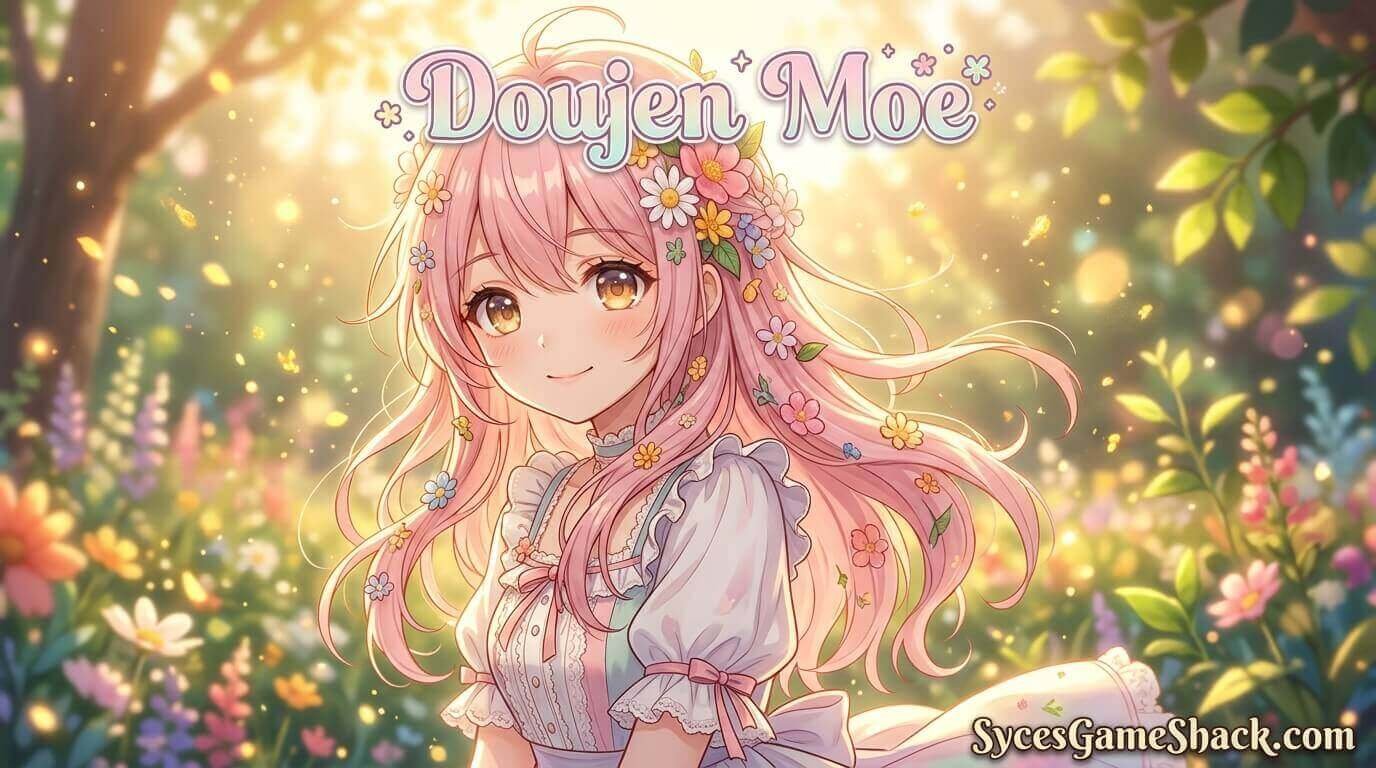
- Soft, rounded character designs with expressive eyes.
- Gentle, everyday stories focused on friendship and comfort.
- Warm color palettes and a relaxed mood.
- Characters who feel relatable and lovable.
Keep in mind that this is a description of a style, not a rule. Plenty of doujin works are action, comedy, or drama with no moe elements at all.
Famous Examples That Started as Doujin Works
Doujin culture is not just a niche hobby. Several well-known franchises began as independent creations:
- Touhou Project: a long-running series of fan-loved shooting games created by a single developer, ZUN, and still released independently.
- Higurashi When They Cry: began as a doujin sound novel before becoming manga and anime.
- Tsukihime: started as a doujin visual novel and helped launch a much larger studio.
These examples show that doujin circles can be a launchpad for professional careers.
Doujin Work vs Fan Art vs Official Manga
| Type | Who Makes It | How It Is Sold |
|---|---|---|
| Doujin work | Independent creators or circles | Conventions, indie stores, online shops |
| Fan art | Individual fans, often for sharing | Usually free on art sites |
| Official manga | Professional authors and publishers | Bookstores and licensed apps |
Common Myths About Doujin Moe
- Myth: It is an official art movement. No credible cultural authority defines it that way.
- Myth: It is a company or brand. It is a shared phrase, not a business.
- Myth: Every doujin work is moe. Doujin covers every genre and tone.
- Myth: Websites with this name are official. Many are unofficial and may host pirated work.
Important: Age Restrictions and Mature Content
Doujin culture is wide and includes works for every age, but it also includes a large amount of adult material. Websites using “doujin” in their names often host explicit content.
If you are under 18, avoid unknown doujin sites entirely and stick to all-ages platforms. If you are an adult, use sites with clear age gates and content filters so you know what you are opening.
Is Doujen Moe Safe? Risks of Unofficial Sites
Searching for Doujen Moe often leads to sites that carry real risks:
- Pirated content. Many sites repost creators’ work without permission, which harms the artists.
- Malware and scams. Fake download buttons, pop-ups, and forced redirects are common.
- Unexpected explicit material. Pages may show adult content with little warning.
- Privacy risks. Aggressive trackers and shady ads can expose your data.
How to Stay Safe When Browsing
- Choose official stores and platforms instead of unknown mirror sites.
- Never install software, extensions, or “readers” from a doujin site.
- Use an up-to-date browser and a reputable ad blocker.
- Look for HTTPS, clear contact details, and a visible privacy policy.
- Do not enter payment details on sites you cannot verify.
Legal Ways to Enjoy Doujin Works
Supporting creators directly keeps independent art alive. Some respected options include:
- Comiket and other conventions for buying work in person.
- BOOTH (by pixiv), where many independent artists sell digital and physical goods.
- Toranoana and Melonbooks, major Japanese doujin retailers.
- DLsite, which sells doujin games, audio, and comics, and offers content filters.
- pixiv, a large art community where many creators share work.
- Steam and itch.io, home to many independent doujin-style games.
Availability and content rules vary by country, and some stores contain adult material, so always check ratings and age filters.
Better Search Terms to Use Instead
| If You Want | Search For |
|---|---|
| Independent comics | doujinshi, indie manga |
| Independent games | doujin games, indie Japanese games |
| Cute character styles | moe anime, slice-of-life anime |
| Buying fan works | BOOTH, Comiket circles |
These terms return clearer, safer, and more accurate results than “Doujen Moe.”
Tips for Parents and Guardians
- Use browser safe-search settings and parental controls on shared devices.
- Talk openly about why some sites with “doujin” in the name are not suitable for minors.
- Point younger fans toward all-ages platforms and official, age-rated manga apps.
- Teach teens to avoid pop-ups, fake download buttons, and unknown file attachments.
Respecting Creators and Copyright
Doujin culture runs on a delicate understanding between fans, creators, and original rights holders.
Respect it by buying from official sources, crediting artists, and never reposting or redistributing someone’s work without permission. This keeps the community healthy and protects you legally.
FAQs
1. What does Doujen Moe mean?
It is an informal internet phrase connected to doujin culture, moe aesthetics, or an older website called Doujin Moe. It is not an official term.
2. Is Doujen Moe a real genre?
No. It is not an established genre or movement. Doujin and moe are real concepts, but the combined phrase is inconsistent.
3. Is “Doujen” the same as “Doujin”?
Doujen is a common spelling variation. The standard romanization is doujin.
4. What is doujinshi?
Doujinshi are self-published magazines or books, often manga, made by independent creators or fan circles.
5. What does moe mean?
Moe describes affection or protective feelings toward cute, endearing fictional characters.
6. Is Doujen Moe safe?
The phrase itself is harmless, but unofficial sites that use similar names often have pirated content, adult material, and malware risks.
7. Is Doujen Moe only for adults?
The culture includes all-ages works, but many sites using the name host adult content, so minors should avoid unknown sites.
8. Where can I legally find doujin works?
Try Comiket, BOOTH, Toranoana, Melonbooks, DLsite, pixiv, Steam, and itch.io, and always check age filters and ratings.